2026-02-20
5 Ways 3D Printing Reduces Automotive Prototyping Costs
The automotive industry was one of the earliest adopters of 3D printing for prototyping, and it remains one of the most active. Here are five concrete ways additive manufacturing cuts costs in automotive product development.
1. Eliminate Tooling for Concept Models
Injection-moulded concept parts require expensive steel tools with 4–12 week lead times. 3D printed concept models arrive the next day with no tooling cost — saving ₹1–4 lakh per programme.
2. Overnight Design Iterations
When a fit-check reveals an interference, a 3D-printed correction is ready overnight. The same change on a machined prototype requires a 3–5 day rework cycle, compressing the overall development timeline.
3. Functional Airflow and Thermal Testing
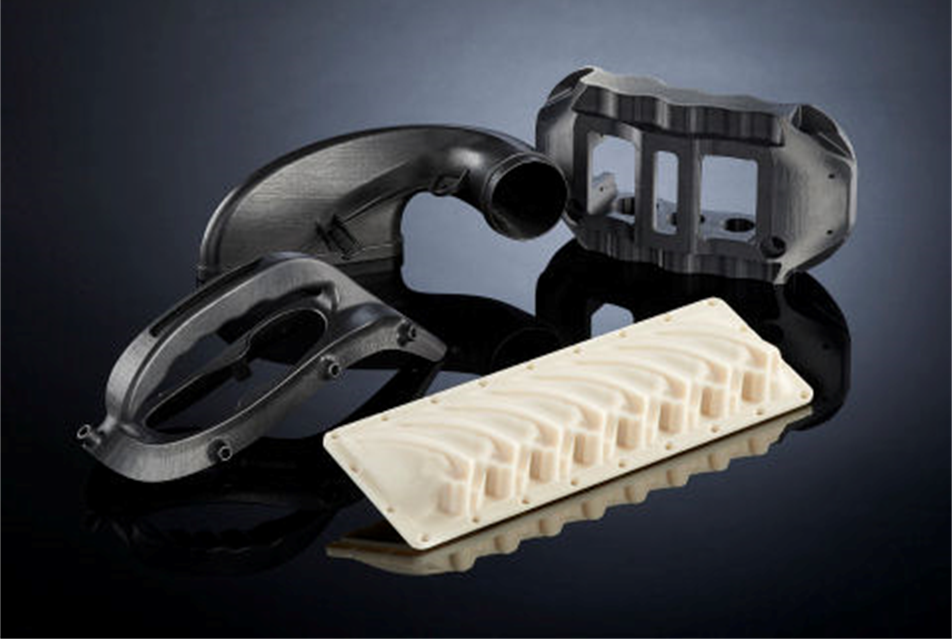
FDM and SLS parts withstand wind-tunnel and thermal tests that validate flow paths and heat management, catching design flaws before expensive production tooling is cut.
4. Assembly Fit Verification
Printed master models for door panels, bumpers, and trim components let manufacturing engineers verify assembly sequences and fastener locations before tooling is commissioned.
5. On-Demand Spare Parts
For classic or low-volume vehicles, 3D printing provides an economical route to spare parts that no longer justify a production run. Contact Aminish to discuss a digital inventory solution for your fleet.